
Destinations
Every valley we travel to, from the Karakoram to Kashmir. Open a destination to see its tours, stays and guides.
Gilgit-Baltistan
Khyber Pakhtunkhwa
Azad Kashmir
Destinations across Northern Pakistan
Northern Pakistan is not one place. It is three distinct mountain systems - the Karakoram, the Himalaya and the Hindu Kush - meeting within a few hundred kilometres, and the valley you choose changes the trip completely. This page is a plain guide to where we travel, what each destination is actually like, and when it is worth going. Every destination has its own page listing the tours that visit it and the hotels we can book there.
Gilgit-Baltistan: the high Karakoram
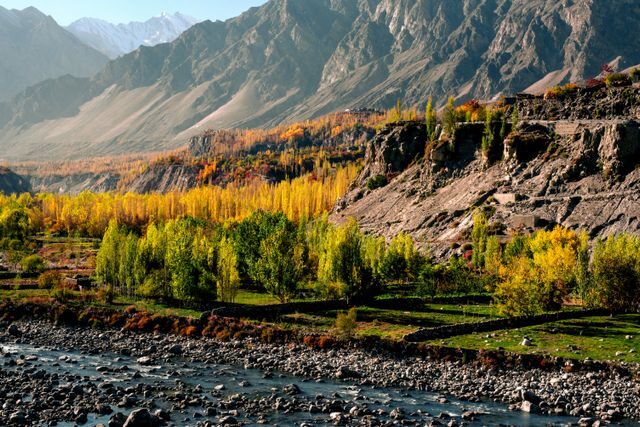
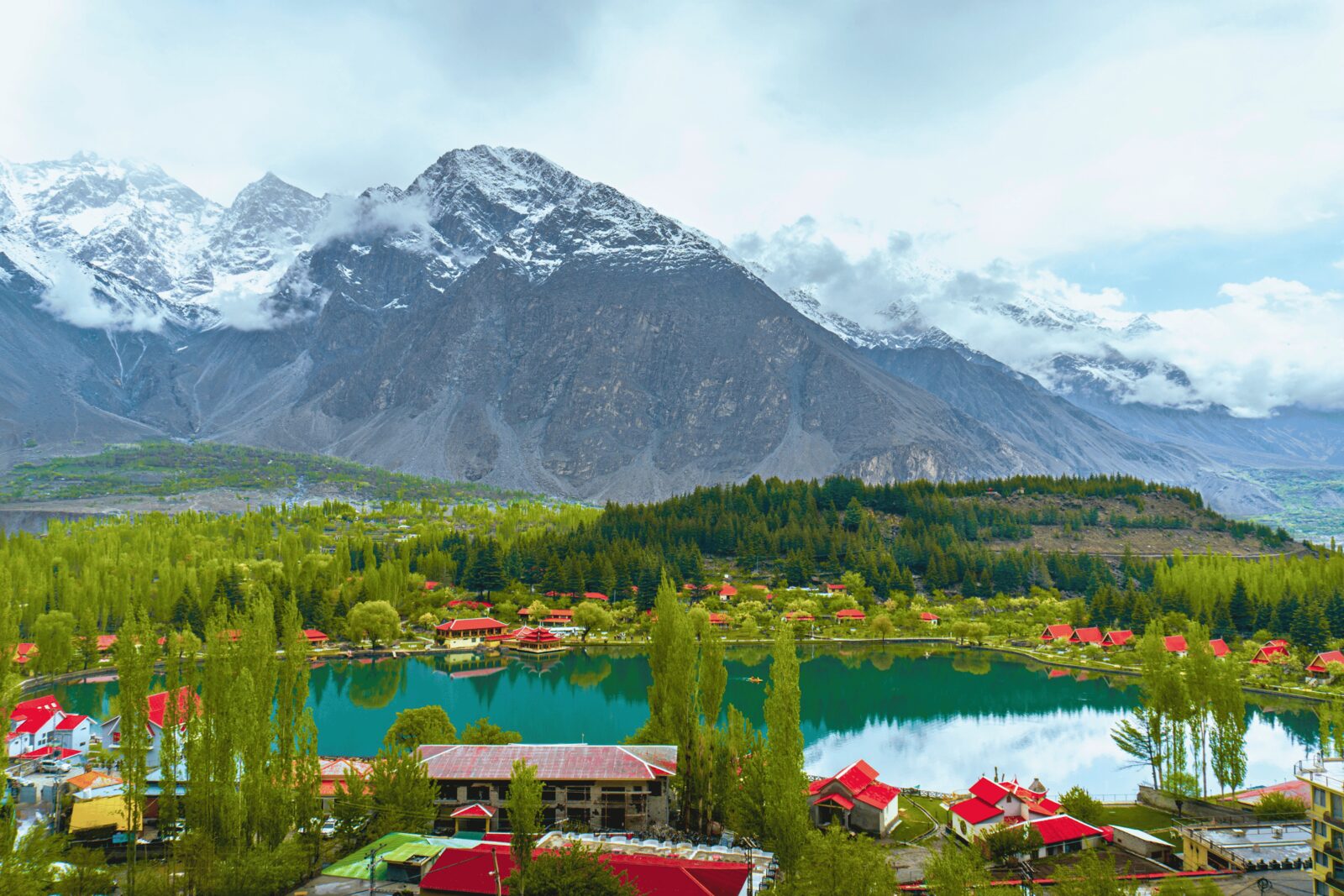
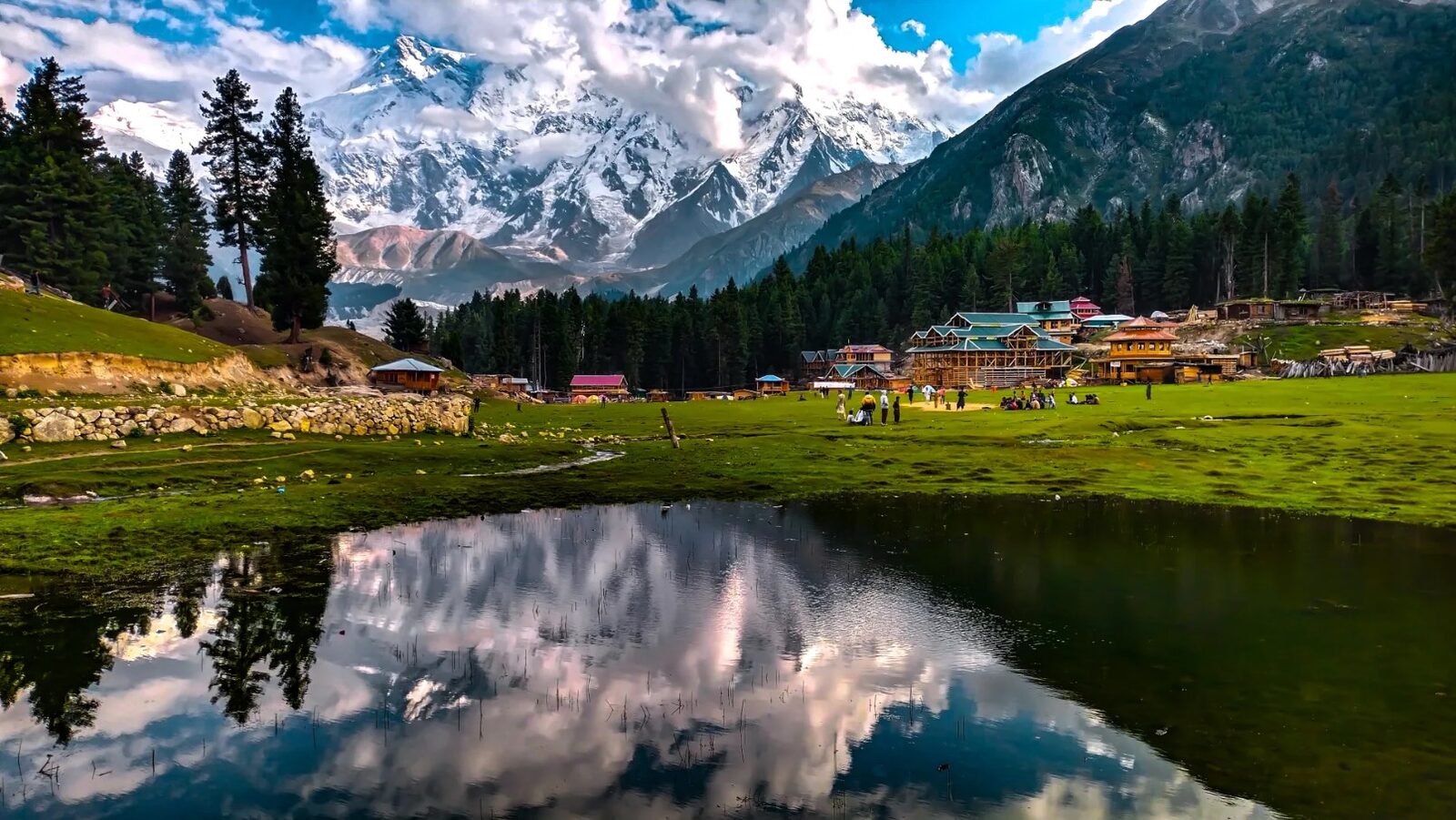
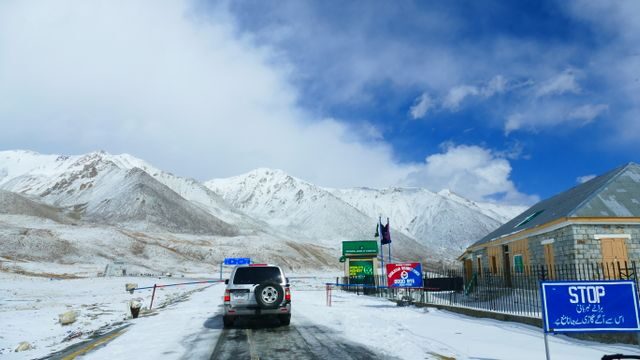
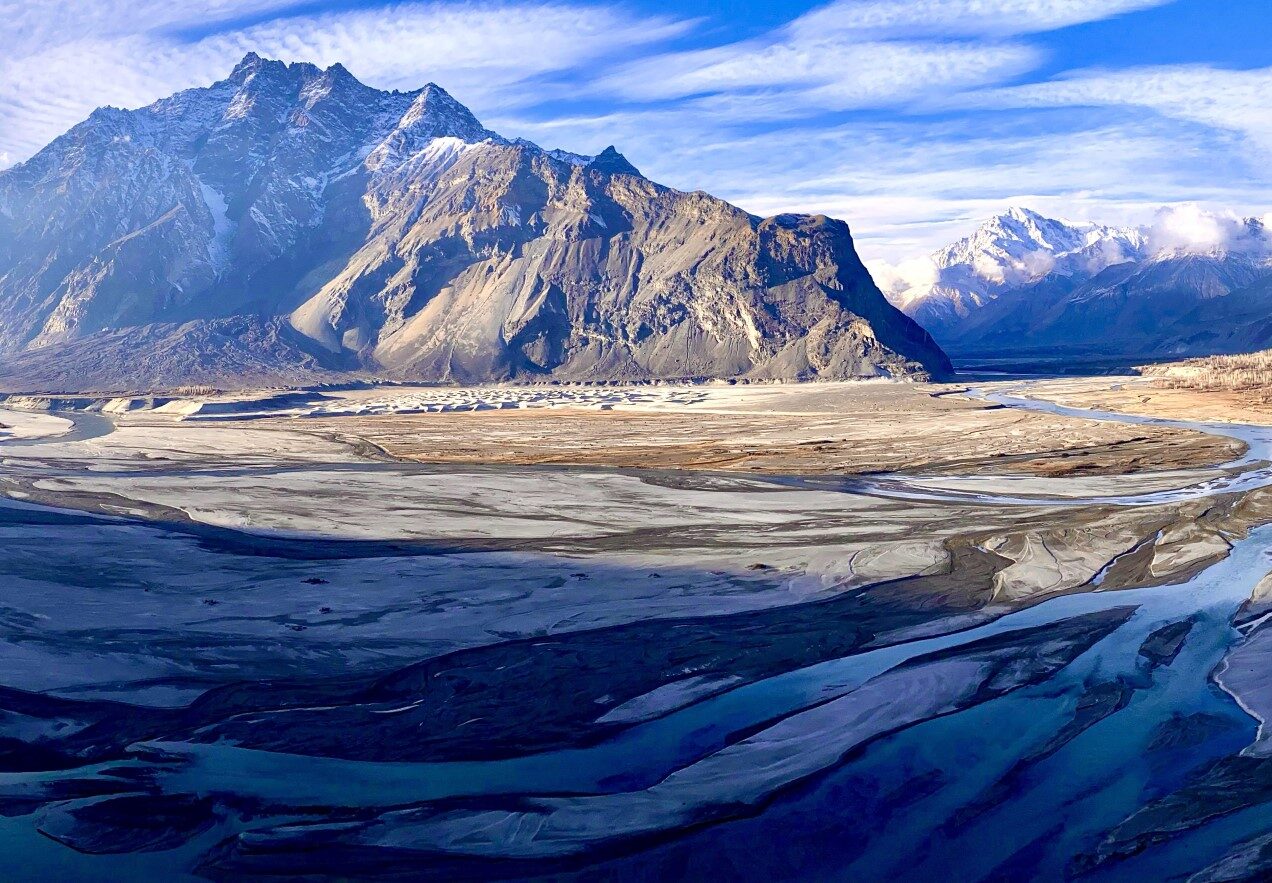
This is the region most travellers picture. Hunza Valley sits along the Karakoram Highway with Rakaposhi visible from breakfast, the Baltit and Altit forts above Karimabad, and Attabad Lake's turquoise water further north. Beyond it, Passu Cones and the Hussaini suspension bridge lead to Khunjerab Pass at 4,693 metres - the highest paved border crossing in the world. Skardu, reached by a separate road east from Jaglot, is drier and more dramatic: cold desert, alpine lakes at Kachura, the Shigar valley and the road towards K2 base camp. Between them lies Deosai, a plateau above 4,000 metres that is snowbound most of the year and carpeted in wildflowers for a few weeks in summer. Fairy Meadows, below Nanga Parbat, is reached by one of the country's most exposed jeep tracks followed by a walk.
Khyber Pakhtunkhwa: Kaghan, Swat and Chitral
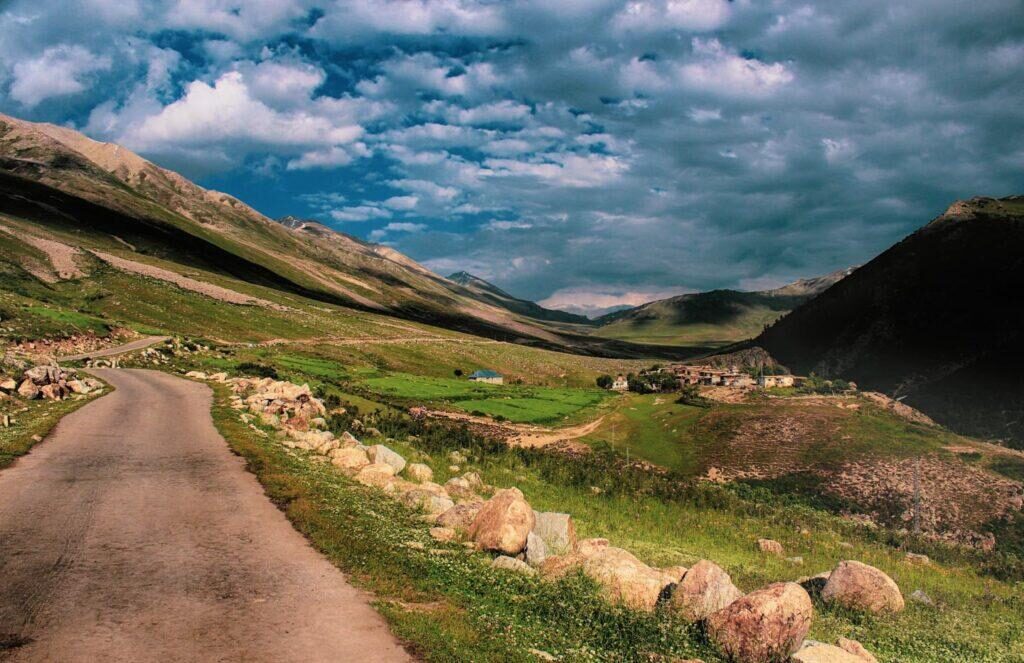
Closer to Islamabad and generally greener. The Kaghan valley runs from Balakot up through Shogran and Naran to Babusar Top, with Lake Saif-ul-Malook - reachable by jeep from Naran - the single most visited alpine lake in Pakistan. Swat is a broad river valley of terraced fields and orchards, with Malam Jabba's ski slope and chairlift above it, and a Buddhist archaeological history that predates almost everything else on this list. Kumrat, further west in Upper Dir, is deodar forest and river camping with far fewer visitors. The Kalash valleys of Chitral hold a distinct pre-Islamic culture and are worth the long drive for travellers with time.
Azad Kashmir: Neelum and the eastern valleys
The Neelum valley follows its river north-east past villages built into the hillside, with Arang Kel - a meadow village reached by chairlift and a climb - as its best-known stop, and Ratti Gali Lake accessible by jeep and trek in summer. Further south, Rawalakot, Banjosa Lake and Toli Peer offer gentler, rolling green country that suits shorter trips and travellers who want mountains without long driving days. Azad Kashmir is generally the greenest of the three regions and the most comfortable in mid-summer heat.
Best season by destination
Hunza and Skardu are open from roughly May to October by road, with autumn from late September to early November the most striking and most booked period. Khunjerab Pass and Babusar Top usually open in late May or June and close with the first heavy snow, often in October or November. Deosai is realistically July to September. Fairy Meadows follows a similar window, as the jeep track is not maintained in winter. Naran is accessible from May, though the road to Lake Saif-ul-Malook opens later. Swat, Kumrat and Neelum have the longest season, from April into October, and Swat is one of the few destinations that also works as a winter snow trip.
Getting there and getting around
Almost all our trips start in Rawalpindi or Islamabad. The Karakoram Highway is the main artery north - a full day to Chilas, a second to Hunza or Skardu. Flights operate to Gilgit and Skardu and cut two days from the journey, but they are weather-dependent and cancellations are routine, so we do not build tight itineraries around them. Within the valleys, sealed roads reach the main towns while side routes - Fairy Meadows, Saif-ul-Malook, Deosai, Ratti Gali - require a 4x4 jeep with a local driver, which is priced separately on most itineraries because the tracks are genuinely specialised driving.
Frequently asked questions
Straight answers to what travellers ask us most.
Which is better, Hunza or Skardu?+
How do you reach Fairy Meadows?+
When is Khunjerab Pass open?+
Which destination is best for a short trip?+
Are these destinations suitable for families with children?+
Let's plan your trip to the north
Send us your dates and group size. You'll have a clear itinerary and an honest quote before you commit to anything.