
Tours to Deosai Plains
Ready-made itineraries that visit this destination.
Deosai Plains
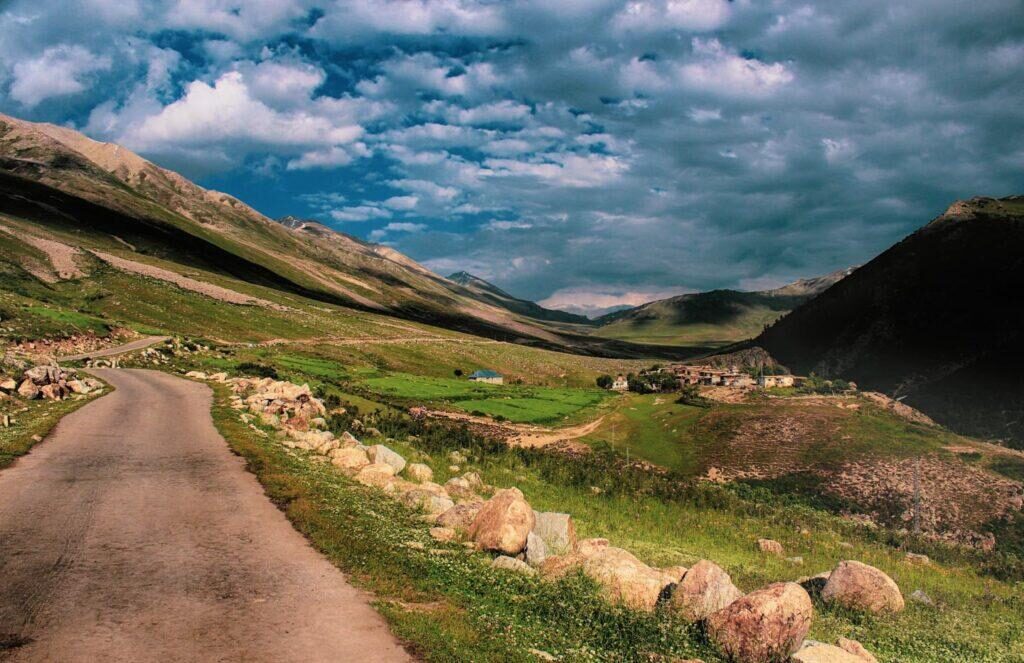
Deosai is a high plateau of around 3,000 square kilometres sitting at roughly 4,100 metres between Skardu and Astore - the second-highest plateau on earth and, for a few months a year, an ocean of wildflowers with no trees, no villages and no phone signal. Locally it is the Land of Giants; ecologically it is a national park protecting one of Pakistan's last Himalayan brown bear populations.
Getting across the plateau
Two tracks reach Deosai. From Skardu it is about three hours by jeep via Sadpara Lake to Sheosar Lake; from Astore or Chilim the climb comes up the other side. The most satisfying way to see it is to cross rather than double back - enter from Skardu and exit towards Astore and Rama, or the reverse - which turns Deosai into a link in a loop rather than a day trip. The surface is unpaved throughout and a 4x4 jeep is required; no sedan or coaster should attempt it.
Sheosar Lake and the wildflowers
Sheosar, at about 4,142 m, is the plateau's centrepiece - a deep blue lake with Nanga Parbat on the horizon in clear weather. The flower season, roughly July into August, is when the plains turn yellow, purple and white and the photographs people come for become possible. Marmots are everywhere and easy to see. Himalayan brown bears live here but sightings are rare and should be left to chance rather than chased.
Camping on Deosai
Camping beside Sheosar is the classic Deosai experience and also the reason many people underestimate it. Nights are near freezing even in midsummer, there is no shelter and no facilities, and weather can change within an hour. Done properly - good tents, warm bags, hot food, an experienced camp crew - it is one of the best nights you can have in Pakistan. Everything carried in has to be carried out; the park has no waste collection and litter here does not decompose.
When to go
Deosai is only reachable roughly late June to mid-September. Outside that window snow closes both tracks completely, and at the edges of the season the surface can be rough or waterlogged even when technically open. Because the window is short and overlaps with peak Skardu season, jeeps and camping crews get booked up; this is not a plan to make the night before. We confirm track conditions before committing a group to the crossing.
Deosai as part of a bigger route
Very few people visit Deosai on its own, and it is more rewarding as a link than a destination. The classic shape is Skardu to Sheosar, over the plateau, down to Chilim and Astore, then Rama meadow and Nanga Parbat's eastern face before rejoining the Karakoram Highway near Jaglot - a two to three day arc that ends within reach of Hunza. Done that way, Deosai stops being a long detour and becomes the most memorable driving day of a northern trip.
Frequently asked questions
Straight answers to what travellers ask us most.
When is Deosai open?+
Do I need a 4x4 for Deosai?+
Can I camp at Sheosar Lake?+
Will I see brown bears?+
Let's plan your trip to the north
Send us your dates and group size. You'll have a clear itinerary and an honest quote before you commit to anything.