
Tours to Shigar Valley
Ready-made itineraries that visit this destination.
Shigar Valley
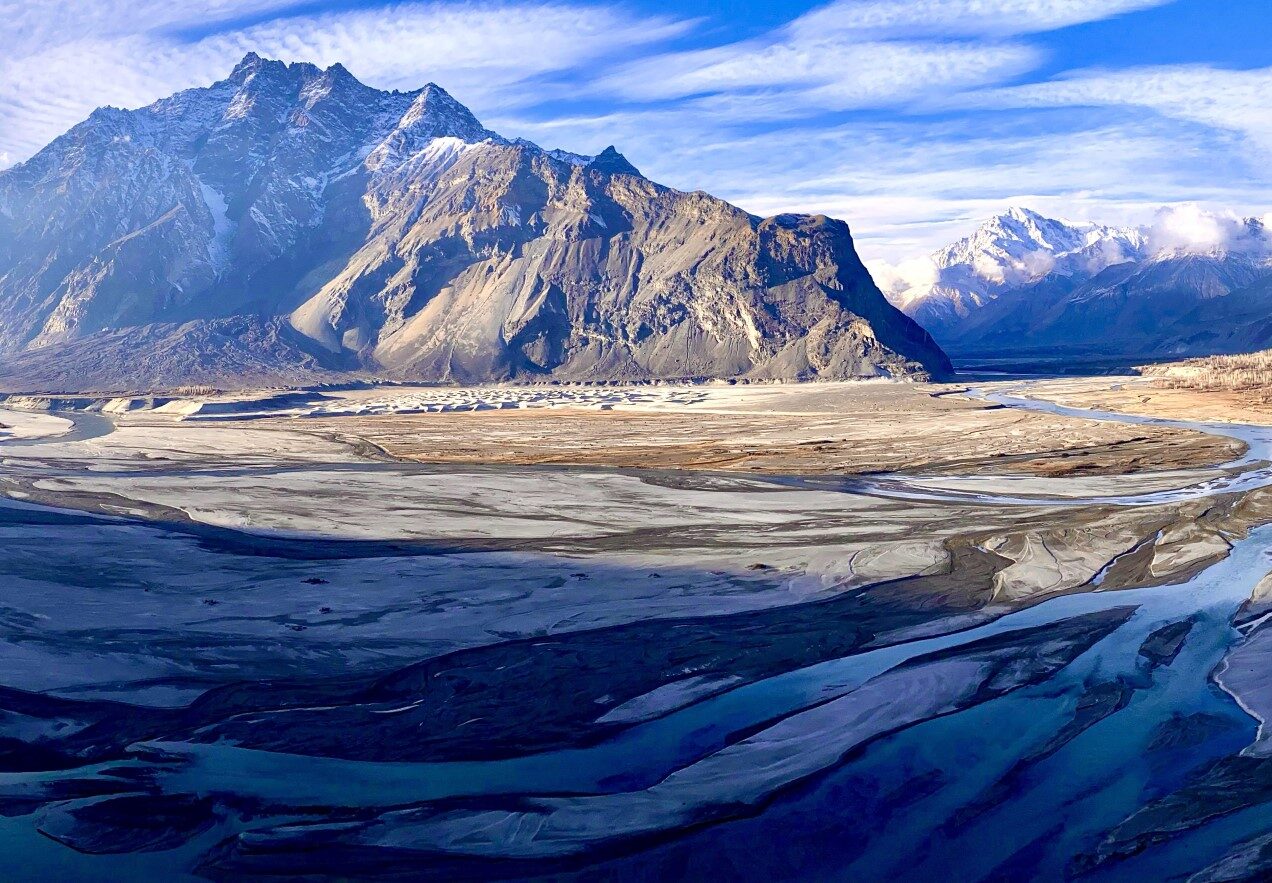
Shigar is the broad green valley that opens north of Skardu, about forty minutes' drive across the Indus. It is where Baltistan's old Raja architecture survives best, where the trekking road to Askole and the Baltoro glacier begins, and where the contrast Baltistan is famous for - sand dunes below snow peaks - is at its most striking.
Shigar Fort
The Fort-Palace of Shigar, locally Fong Khar or 'palace on the rock', was built by the Raja of Shigar in the 17th century and restored by the Aga Khan Trust for Culture over several years before reopening as a heritage hotel and museum. The stone and timber construction, the carved wooden balconies and the original royal rooms are worth an hour even if you are not staying, and the adjoining museum explains Balti building traditions properly rather than superficially.
The cold desert and Blind Lake
Between Skardu and Shigar the Katpana and Shigar dunes form a genuine cold desert - sand at 2,200 m with glaciated peaks directly behind it, a landscape that exists in very few places. Blind Lake, a short detour off the main valley road, is a quiet spot for an hour with a picnic. Both are easy stops on the same half-day as the fort, which is why Shigar is usually done as a day out from Skardu rather than a separate leg.
Gateway to the Baltoro
Shigar valley is also the road to Askole, the last village before the Baltoro glacier and the standard start of treks to Concordia, K2 base camp and the Gasherbrums. Ordinary visitors do not go that far - the road beyond Shigar deteriorates steadily and Askole is a full day from Skardu - but it explains the porters, expedition jeeps and trekking gear you see around the valley in June and July.
Visiting Shigar
Shigar works either as a half-day trip from Skardu or as an overnight if you want to stay at the fort itself, which needs booking well in advance in summer. The season matches Skardu's: May to September is comfortable, with the valley's apricot and apple orchards at their best in spring blossom and again at harvest in late summer. The road from Skardu is paved and easy, so no special vehicle is needed.
Balti craft and local produce
Shigar has kept more of its traditional crafts than most of Baltistan - wood carving, stone masonry and the joinery you see in the fort's restored rooms are still practised in the villages. The valley is also apricot and apple country, with fruit drying on rooftops in late summer and walnut and apricot-kernel oil pressed locally. Buying directly from village households rather than roadside resellers puts the money where it belongs and usually gets you better fruit.
Frequently asked questions
Straight answers to what travellers ask us most.
How far is Shigar from Skardu?+
Can I stay at Shigar Fort?+
Is Shigar the route to K2 base camp?+
What is the cold desert?+
Let's plan your trip to the north
Send us your dates and group size. You'll have a clear itinerary and an honest quote before you commit to anything.